Amalina Font: Fresh Script for Modern Branding
When I first opened my design software to start a new brand identity project for a local artisanal skincare line, I knew I needed something that felt both personal and polished. The client wanted their packaging to stand out on crowded shelves while maintaining an air of approachable luxury. That is when I discovered Amalina, a typeface that immediately caught my eye among the countless Fonts in my library. As a Script Handwritten style, it promised the human touch necessary for a handmade product, but with a modern edge that prevents it from feeling dated or overly rustic.
Creating a Warm First Impression with Amalina Script
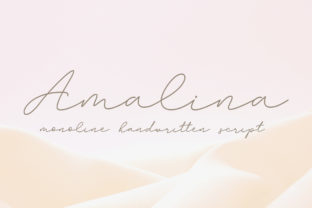
Integrating Amalina into the initial logo concepts was surprisingly smooth. One of the biggest challenges with Script Handwritten Fonts is ensuring they remain legible at smaller sizes, such as on product labels or business cards. Amalina strikes a delicate balance here. Its strokes are fluid and connected, mimicking natural handwriting, yet the letterforms are distinct enough to be read quickly. For the skincare brand, I used Amalina for the primary logotype. The fresh feel of the script added a beautiful spark to the crafting project, instantly elevating the perceived value of the brand without making it feel inaccessible or elitist.
The personality of Amalina is inherently inviting. It does not shout; instead, it whispers elegance. In a world where many brands rely on bold, geometric sans serifs to convey strength, using a magnificent script like Amalina allows a brand to convey warmth and care. This is crucial for businesses that rely on trust and personal connection, such as boutique hotels, wedding planners, or organic food producers. The font’s modern aesthetic ensures it fits seamlessly into contemporary design trends, avoiding the trap of looking like a generic clip-art script from the early 2000s.
Enhancing Packaging Design with Elegant Typography
Moving from the logo to the broader packaging design, I tested how Amalina performed on various mockups. Whether placed on a minimalist glass jar or a textured paper box, the font maintained its integrity. The key to successful packaging design with Script Handwritten Fonts is hierarchy. I paired Amalina with a clean, lightweight sans serif for the informational text, such as ingredients and usage instructions. This contrast allowed Amalina to shine as the hero element, drawing the eye immediately to the brand name or the product variant, like "Lavender Mist" or "Rose Glow."
The versatility of Amalina became apparent when I experimented with different color backgrounds. On dark, moody packaging, the white script popped with sophistication. On light, pastel backgrounds, it retained its clarity while adding a soft, romantic touch. This adaptability makes it an excellent choice for designers who need a single font family to work across a diverse product line. The fresh feel mentioned in the description is not just a marketing claim; it is visible in the open counters and balanced proportions of the letters, which prevent the text from feeling cramped or heavy.
Pairing Amalina with Modern Sans Serif Fonts
A common question I receive from junior designers is how to pair script fonts effectively. With Amalina, the process is intuitive because the font is designed with modern typography principles in mind. It pairs exceptionally well with geometric sans serifs that have a similar x-height. For the skincare project, I chose a neutral sans serif that did not compete with the flourishes of Amalina. The result was a harmonious brand identity where the script provided the emotion and the sans serif provided the structure.
When working with Script Handwritten Fonts, it is essential to avoid pairing them with other decorative or highly stylized typefaces. This creates visual noise and reduces readability. Amalina is strong enough to stand alone as a display font, but it benefits from a quiet companion. I also found that it works well with certain serif fonts, particularly those with high contrast and sharp terminals, for a more traditional or editorial look. However, for a modern brand, keeping the secondary font simple ensures that Amalina remains the focal point of the design.
Using Amalina for Social Media and Digital Assets
Beyond print, I applied Amalina to the brand’s digital presence, including Instagram posts and website headers. In digital environments, screen resolution can sometimes blur the fine details of script fonts. However, Amalina renders beautifully on screens due to its clear stroke definition. I used it for quote graphics, promotional banners, and story highlights. The fresh feel of the font helped create a cohesive visual language across platforms, making the brand instantly recognizable to followers.
For social media, brevity is key. Amalina is best used for short phrases, headlines, or accents rather than long paragraphs. I used it to highlight key selling points, such as "Cruelty-Free" or "Handcrafted," adding a personal touch to standard marketing messages. This approach leverages the emotional connection of handwritten text while maintaining the professionalism expected in commercial design. The font’s ability to add a beautiful spark to any crafting project extends naturally to digital crafting, where engagement often depends on visual appeal and authenticity.
Practical Tips for Licensing and Commercial Use
Before finalizing any project with Amalina, it is crucial to review the licensing terms. As a professional designer, I always ensure that the font license covers the intended use, whether it is for print, web, or merchandise. Most premium Fonts offer different licenses for personal and commercial use, and understanding these distinctions protects both the designer and the client. Amalina is a versatile asset that can be used in a wide range of commercial applications, from logo design to product packaging, provided the appropriate license is acquired.
I also recommend testing the font in various sizes and formats before committing to a full brand rollout. Print a few samples, view them on different devices, and check how the ligatures and alternates behave in your design software. Amalina includes features that enhance its usability, such as alternate characters that allow for customization and uniqueness in each design. Taking the time to explore these options can elevate a good design to a great one, ensuring that the final output reflects the high quality of the typeface itself.
In conclusion, Amalina is more than just a pretty script; it is a functional tool for modern branding. Its combination of elegance, readability, and versatility makes it a valuable addition to any designer’s toolkit. Whether you are creating a logo for a new startup, designing packaging for a handmade product, or crafting social media content, Amalina provides the fresh, stunning aesthetic needed to capture attention and convey meaning. By understanding its strengths and pairing it wisely, you can unlock its full potential and create designs that resonate with audiences on a deeper level.